Does Homeowners Insurance Cover Basement Flood Damage in Arizona?
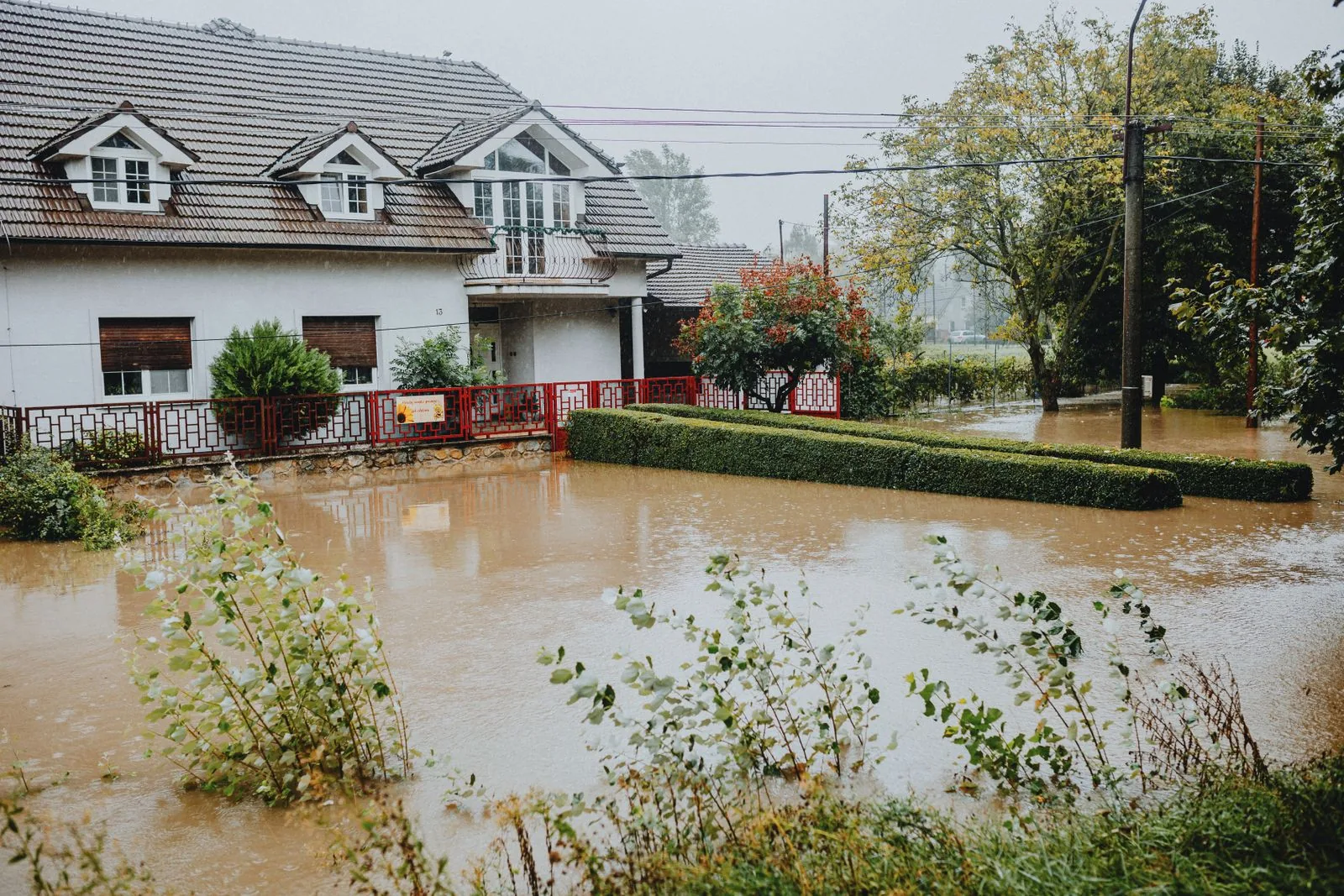
The core distinction: flood vs. water damage
Insurers draw a bright line. 'Flood' in insurance language means outside surface water entering the home, monsoon runoff, overflowing washes, rising groundwater. Standard homeowners policies exclude this; it requires separate flood insurance. 'Water damage' from inside sources, burst pipes, appliance failures, water heater ruptures, is typically covered as sudden and accidental, subject to policy terms. The same wet basement is covered or excluded based entirely on where the water came from. Document the source meticulously, it determines everything.
Cause-by-cause coverage guide
Outside floodwater / monsoon runoff: generally requires separate flood insurance (NFIP). Standard homeowners excludes it. Burst interior pipe: commonly covered as sudden plumbing failure. Sewer backup: typically excluded unless you carry a sewer-backup endorsement, an inexpensive add-on worth having. Sump-pump failure: commonly excluded without a specific water-backup or sump endorsement. Wind-damaged roof allowing rain inside: often treated as storm damage, potentially covered differently than rising water. Gradual seepage: frequently excluded as maintenance-related. Resulting mold: often limited or excluded, especially when tied to an excluded cause. None of this replaces your policy language, read it before you need it.
Flood insurance in Arizona: the essentials
Separate flood insurance, usually through the NFIP, sometimes via private insurers, covers the flood peril standard policies exclude. Key facts Arizona owners miss: you do not need to be in a mapped floodplain to buy it or to need it; Pima County has documented damaging floods striking homes outside FEMA-mapped floodplains. There is typically a 30-day waiting period before NFIP coverage takes effect, you cannot buy it during a storm. And basement coverage has limits: NFIP basement coverage is restricted compared to above-grade, know what your policy actually covers below grade before assuming.
What to do when you discover the flood
Document before cleanup alters the scene: photos and video of water depth, source, and damage. Mitigate promptly: policies require you to prevent further damage, call for extraction and drying without waiting for the adjuster. Notify promptly: most policies require timely claim notification. Keep everything: receipts, logs of calls, damaged-item inventories. Do not discard damaged items until the adjuster inspects or releases them. Describe factually: state the source as observed; do not speculate about coverage on the record.
The adjuster visit: how to prepare
Have ready: your photo/video documentation, the professional mitigation file (moisture logs, scope, invoices), a room-by-room damaged-item inventory with approximate values and ages, and receipts for emergency expenses. Walk the adjuster through the source and the timeline factually. Ask what is covered, what is excluded, and why, in writing. If the determination seems wrong, you can appeal, supplement with additional documentation, or consult Arizona DIFI's consumer assistance resources.
Arizona-specific insurance realities
Three Arizona facts shape every claim. Monsoon = flood peril: the runoff that floods most Arizona basements is the excluded flood peril, not covered water damage, many owners learn this at the worst moment. Endorsements matter enormously: sewer-backup and sump endorsements are cheap and frequently decisive; check yours before June. Outside the floodplain ≠ safe: lenders may not require flood insurance outside mapped zones, but Pima County's documentation proves damaging floods happen there, the requirement gap is not a risk gap.
Frequently Asked Questions
My basement flooded in a monsoon storm. Am I covered?
Under a standard homeowners policy, probably not for the flood peril itself, outside surface water is the classic excluded flood. If you carry separate NFIP flood insurance, that is the coverage that responds. Plumbing-related components of the loss may be treated separately. Check both policies.
What is the NFIP waiting period?
Typically 30 days from purchase before coverage takes effect, with limited exceptions. This is why flood insurance must be bought before monsoon season, not during it.
Does flood insurance cover basements fully?
NFIP coverage for basements is limited, it covers structural elements and essential equipment but excludes many finished-basement contents and improvements that would be covered above grade. Understand the basement limitations before you rely on the policy.
My sump pump failed and the basement flooded. Covered?
Standard policies commonly exclude sump-pump failure without a water-backup endorsement. This is among the most frequent coverage surprises, verify your endorsements now.
The adjuster denied my claim. What now?
Request the denial in writing with the specific policy provisions cited. Supplement with additional documentation if the facts support coverage. You can appeal within the insurer's process and contact Arizona DIFI for consumer guidance on disputes.
Should I file a claim for a small flood?
Weigh the repair cost against your deductible and the potential premium impact of a claim. For costs near or below the deductible, paying out of pocket is usually rational. For larger losses, file promptly with full documentation.
Sources
- Arizona Department of Insurance and Financial Institutions (DIFI), Guidance on flood insurance vs. homeowners coverage.
- Federal Emergency Management Agency / NFIP, Flood insurance program rules, waiting periods, and basement coverage limitations.
Related Guides
- How Quickly Can Mold Grow After a Basement Flood in Arizona?
- What Can You Save After a Basement Flood? A Guide for Arizona Homeowners
- Why Is Water Coming Through My Basement Floor or Walls in Arizona?
Related Services
Questions About Basement Flooding?
Call MH Restoration at (800) 231-6861, serving all of Arizona.
(800) 231-6861Call Now