Basement Storm Water Extraction
What This Service Includes
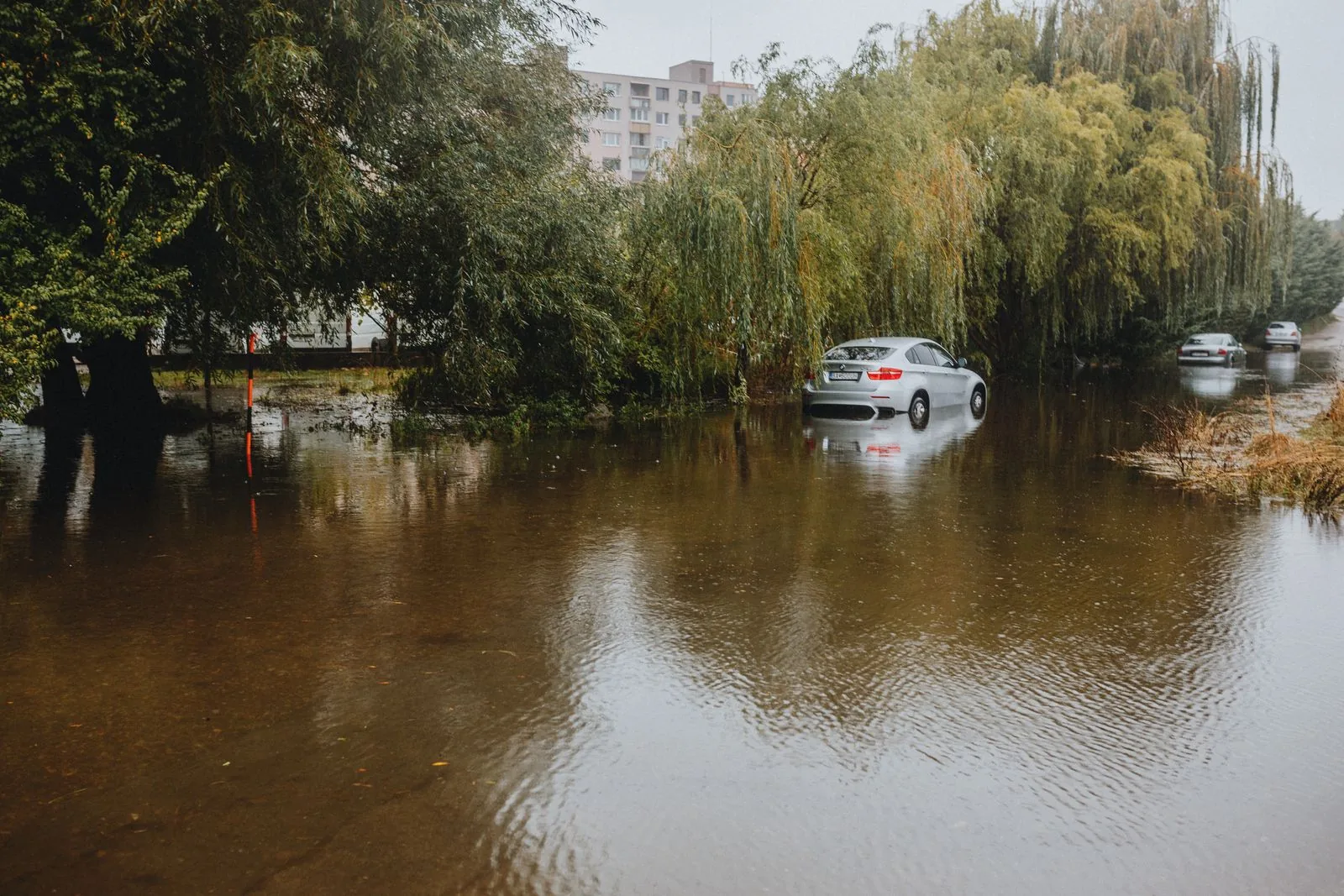
Basement storm water extraction is emergency water removal purpose-built for weather-driven flooding: high-volume pumping and extraction that keeps pace with storm inflow, handles muddy contaminated water without clogging, and transitions seamlessly into debris management and structural drying. Storm extraction differs from plumbing-flood extraction in three ways, the water keeps coming while it rains, it carries silt and debris that foul equipment, and it is always contaminated. The extraction plan accounts for all three from the first minute.
When You Need It
- Active storm flooding where water is still entering while extraction begins.
- Deep stormwater mixed with silt and debris that would clog standard pumps.
- Flash-flood volumes requiring maximum-capacity pumping to keep pace.
- Multi-room storm flooding where extraction must be sequenced with debris removal.
- Post-storm standing water after inflow has stopped but saturation is total.
- Basements where stormwater mixed with sewage backup during system overload.
How the Work Proceeds
- Inflow assessment
Whether water is still entering determines strategy: pump to keep pace and protect, versus pump to empty. Active inflow changes everything about sequencing. - Debris-tolerant pumping
Trash pumps and debris-handling equipment move muddy stormwater that would destroy standard extraction units. - Coarse debris separation
Large debris is separated so extraction equipment runs on water, not sludge, coordinated with the mud-removal phase. - Detailed extraction
Once bulk water is controlled, detailed extraction pulls water from materials, low spots, and cavities. - Contamination handling
Stormwater protocols apply throughout: protective equipment, contamination-aware material decisions, sanitizing downstream. - Drying handoff
The moisture map from extraction becomes the drying plan; equipment transitions from pumps to dehumidifiers without losing a day.
Equipment Used
- High-capacity trash pumps
- Debris-tolerant extraction units
- Portable flood extractors
- Mud and debris separation tools
- Protective equipment for contaminated water
What It Costs
Basement flood projects in Arizona typically range from $1,000 to $12,000 depending on the project, and every project is different. Where yours falls depends on the factors below. Be cautious of any quote given without moisture mapping of your actual basement, and of prices far outside this range without a clear, documented reason.
- Flood volume and whether inflow is active
- Silt and debris load
- Water contamination level
- Square footage and layout complexity
- Emergency response timing
When To Call
Call for storm water extraction the moment stormwater is accumulating in your basement, do not wait for the rain to stop. Early extraction during the event limits saturation depth, and a crew that arrives during the storm can manage inflow dynamically rather than discovering the full damage afterward.
Why Process Order Matters
Flood recovery fails when steps happen out of sequence. The order that works: safety and source control first (no point extracting water that is still pouring in), extraction before drying (removing liquid water beats evaporating it by orders of magnitude), demolition before drying (wet insulation behind drywall will not dry, it must come out), drying before rebuilding (closing walls over damp framing guarantees a second project), and verification before close-up (moisture readings, not touch tests). Shortcuts skip steps; proper sequencing prevents rework.
Frequently Asked Questions
Can you extract water while it is still raining?
Yes, with the right strategy. During active inflow, extraction focuses on keeping pace and protecting priority areas rather than achieving 'empty,' which is impossible until inflow stops. Professional storm response manages the flood dynamically, not just after the fact.
Why do you need special pumps for stormwater?
Mud, silt, gravel, and debris in stormwater destroy standard sump and extraction pumps, clogging intakes, wearing impellers, and seizing motors. Trash pumps and debris-tolerant equipment are built for exactly this water.
How fast can you get the water out?
Bulk pumping of a typical residential basement takes hours, not days, once equipment is on site. The constraint is rarely pump capacity, it is safe access, electrical hazards, and whether inflow has stopped.
What happens to the muddy water you pump out?
Discharged to appropriate exterior locations away from the foundation, never into sanitary sewers in ways that violate local rules, and never where it flows back toward the property. Contaminated discharge is managed responsibly.
Is stormwater extraction different from regular water removal?
In equipment, sequencing, and protocols, yes. The contamination level, debris load, and active-inflow dynamics make storm extraction its own discipline. A crew equipped for clean plumbing floods is not automatically equipped for monsoon stormwater.
What comes after extraction?
Debris and mud removal, detailed moisture mapping, structural drying with dehumidification, sanitizing of contaminated surfaces, and verification. Extraction is phase one of a sequence, the phases that follow determine whether the basement truly recovers.
Basement Storm Water Extraction Across Arizona
Learn how this service applies to Arizona's specific flood conditions, monsoon storms, desert soils, and regional risks: Basement Storm Water Extraction in Arizona.
Popular Service Areas
Related Services
Related Guides
- How Much Does Basement Flood Cleanup Cost in Arizona?
- What to Do When Your Basement Floods in Arizona: A Step-by-Step Guide
- When Should You Call a Professional After a Basement Flood in Arizona?
Basement Storm Water Extraction, Call Now
Need basement storm water extraction in Arizona? Call (800) 231-6861 now.
(800) 231-6861Call Now