Can a Basement Flood in Arizona Even If Your Home Is Outside a FEMA Flood Zone?
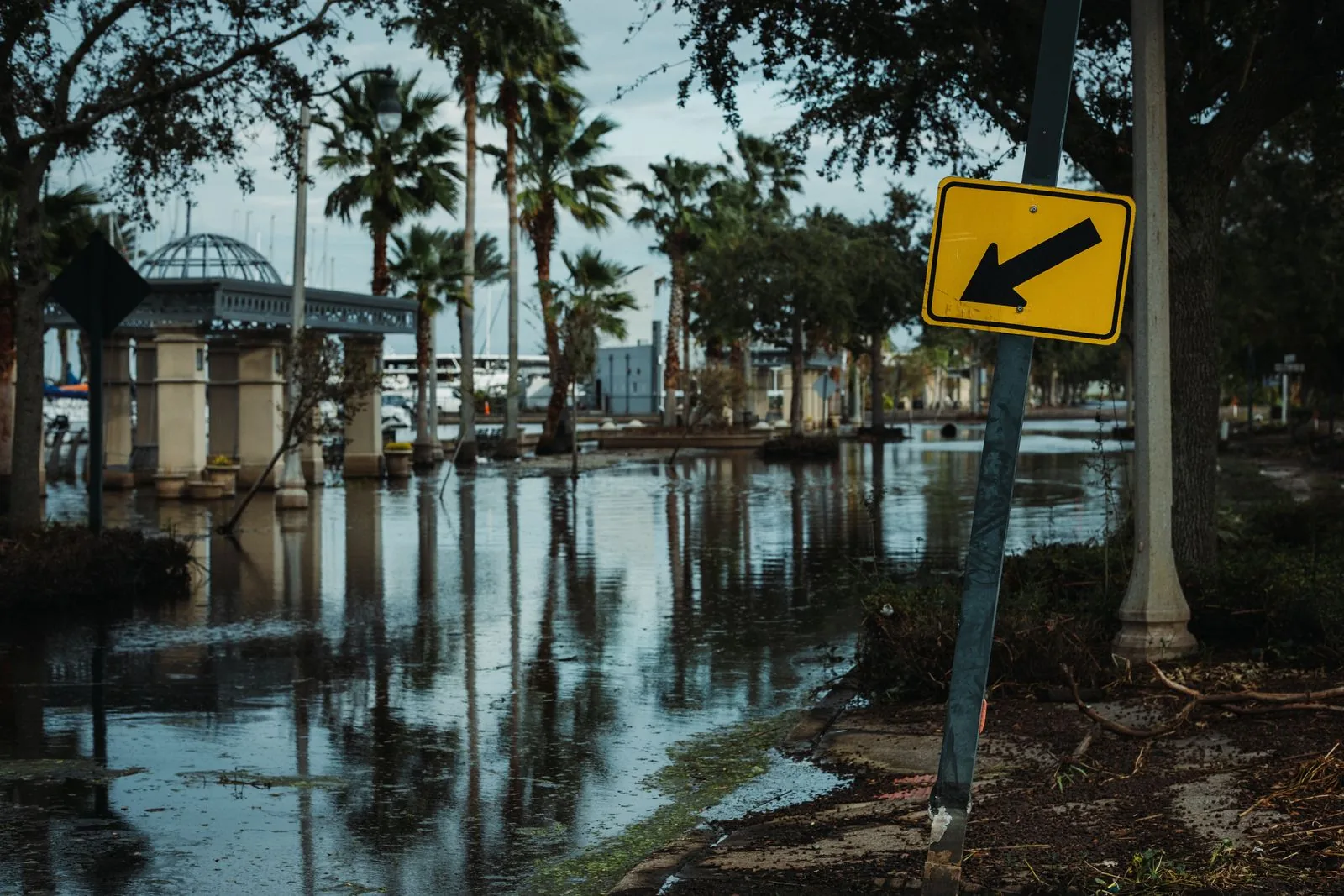
What FEMA flood maps actually show, and don't
FEMA Flood Insurance Rate Maps model specific flood types: riverine overflow, coastal surge, and sheet flooding from defined watercourses, at defined statistical probabilities (the '100-year' and '500-year' zones). They do not model: cloudburst runoff overwhelming local drainage, sewer system surcharge, sump-pump failures, grading and gutter failures, dam or canal issues, or the property-specific micro-topography that decides which basement floods. A basement floods from water at the foundation, and most water at foundations arrives via pathways flood maps never modeled.
How basements flood outside the floodplain
The mechanisms ignore map boundaries entirely. Cloudburst runoff: a monsoon cell drops 2 inches in an hour; streets and lots become rivers; water reaches foundations regardless of zone. Drainage failure: clogged drains, failed grading, overwhelmed window wells, property-scale failures, not floodplain events. Infrastructure surcharge: storm drains and sewers overwhelmed by intensity, backing water into basements. Compound saturation: successive storms saturate soil until ordinary rain becomes flood runoff. Development runoff: new upslope construction redirects water onto your lot. None of these check your flood zone first.
The Pima County evidence
Pima County's flood control district has documented what the maps miss: many flood-damaged structures across the county sit outside federally mapped floodplains. In the documented 2012 monsoon season, at least eight homes sustained flood damage, and not one was in a FEMA floodplain. This is not a mapping error; it is a category difference. The maps were never designed to predict basement flooding from local runoff and drainage failure. Treating 'outside the floodplain' as 'safe from flooding' is the most expensive misreading of flood maps in Arizona.
What this means for insurance
Lenders require flood insurance in high-risk zones, but the requirement gap is not a risk gap. Outside mapped zones, no one requires you to carry flood insurance, which means most owners outside zones do not have it, which means most outside-zone flood victims discover the gap at the worst moment. NFIP policies are available outside high-risk zones, often at lower preferred-risk rates. The 30-day waiting period applies regardless of zone, the time to buy is before monsoon season, not after the water arrives.
What to do regardless of your zone
Assume local flood risk: walk your property in rain; know your drainage. Maintain drainage: gutters, grading, window wells, sump systems, the full pre-monsoon checklist. Consider flood insurance: get a quote for your specific property; preferred-risk rates outside high-risk zones are often surprisingly affordable. Document your basement: photos and a drainage sketch before any flood, invaluable for claims and for contractors. Know your entry points: window wells, floor-wall joints, door thresholds, the places water will actually use.
The bottom line on zones and basements
FEMA flood zones answer a lender's question: what is the statistical riverine flood risk? Your basement asks a different question: what happens when intense rain meets my specific drainage? These questions have different answers, and only the second one determines whether your basement floods. Plan for the second question.
Frequently Asked Questions
If I'm outside the floodplain, do I need flood insurance?
No lender will require it, but the risk that matters is local runoff and drainage failure, which maps do not capture. Many Arizona basement floods happen outside mapped zones. A preferred-risk NFIP quote costs nothing to obtain and often surprises owners with its affordability.
Why doesn't FEMA map the flooding that actually happens?
FEMA maps model regional flood hazards for insurance rating, riverine and coastal processes at landscape scale. Basement flooding from cloudbursts, drainage failure, and infrastructure surcharge is a local, property-scale phenomenon outside that modeling scope. Different tool, different job.
My seller said the home never flooded. Is that reliable?
It is one data point, not a guarantee, conditions change (development, drainage deterioration, exceptional storms), and 'never flooded' sometimes means 'never flooded while they owned it' or 'never flooded that they noticed.' Verify with your own drainage assessment.
Does being outside the floodplain affect my claim?
It affects whether you were required to carry flood insurance, not whether flooding can happen. Claims are decided on cause and policy language. Outside-zone flooding without flood insurance typically means no flood coverage, which is exactly the gap to close before the season.
Are flood maps ever updated?
Yes, maps are revised as new data and development change flood risk, through FEMA's map update process. But updates refine the modeled hazards; they do not add the local drainage-failure flooding that affects basements. Do not wait for a map update to assess your basement's real risk.
Sources
- Pima County Regional Flood Control District, Documentation of flooding outside FEMA-mapped floodplains.
- Federal Emergency Management Agency, Flood map purpose, scope, and limitations.
Related Guides
- How Much Does Basement Flood Cleanup Cost in Arizona?
- What to Do When Your Basement Floods in Arizona: A Step-by-Step Guide
- When Should You Call a Professional After a Basement Flood in Arizona?
Related Services
Questions About Basement Flooding?
Call MH Restoration at (800) 231-6861, serving all of Arizona.
(800) 231-6861Call Now