When Should You Call a Professional After a Basement Flood in Arizona?
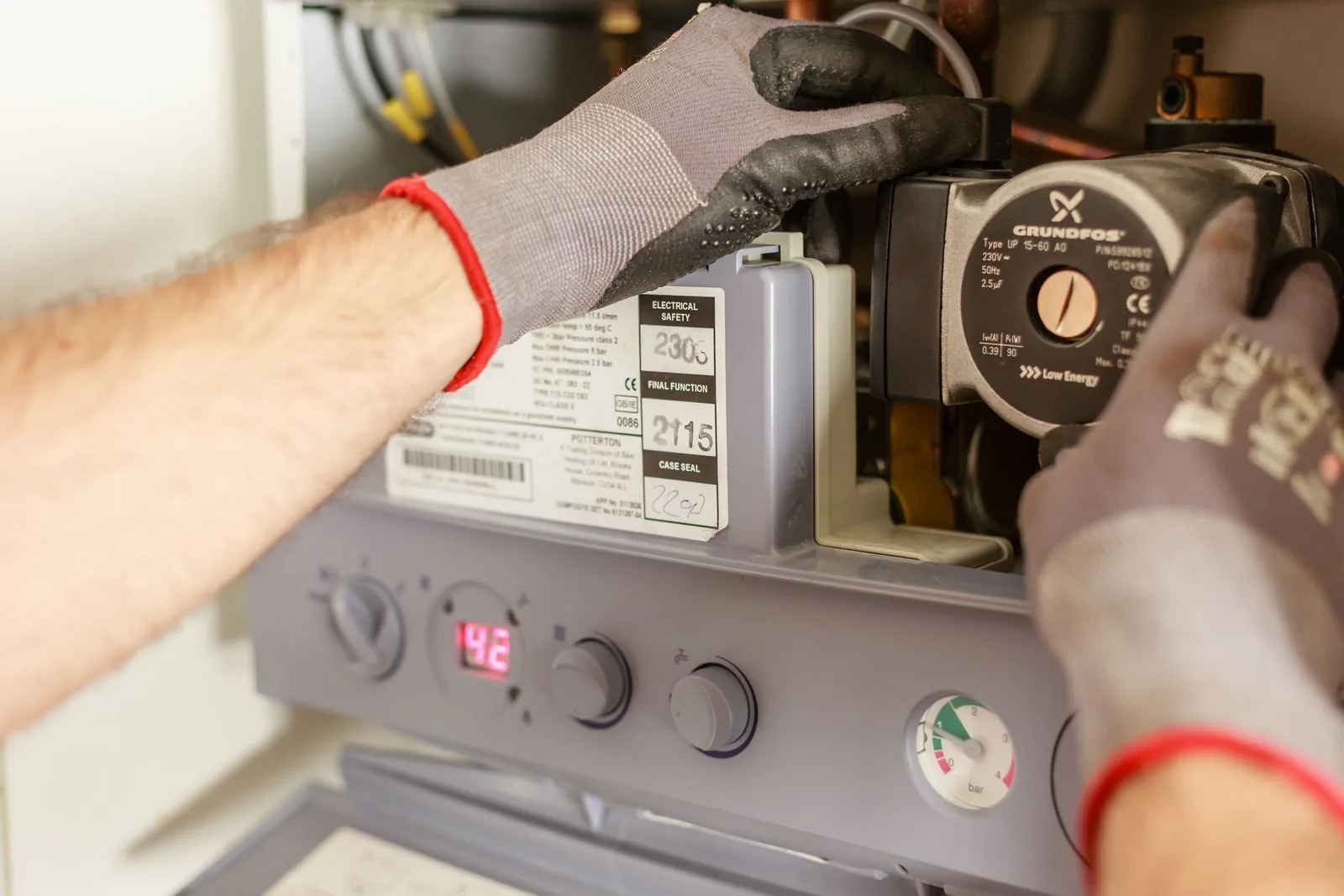
The situations that always need a professional
Some floods are non-negotiable. Sewage or stormwater intrusion, contaminated water demands professional protocols, period. Water near electrical systems, panels, outlets, furnaces, water heaters in contact with water. Water inside walls or ceilings, if drywall wicked moisture, cavities need professional assessment and usually opening. Large areas, whole-basement flooding exceeds household equipment capacity. Unknown sources, if you cannot identify where water came from, you cannot confirm it has stopped. Prioritize these without deliberation.
The situations you can reasonably handle yourself
The DIY-appropriate flood is narrowly defined: small (a limited area, not the whole basement), clean (supply-line water, not stormwater, sewage, or appliance discharge), shallow (no standing depth to speak of), safe electrics (no water near electrical components), and hard surfaces only (unfinished concrete, no wet drywall, insulation, or carpet). Meet all five, and a wet vacuum, fans, a dehumidifier, and vigilance can suffice. Miss any one, and the risk calculus changes.
The gray zone, where most floods actually live
Most real floods fall between the clear cases: clean water but a large area; a small flood but finished drywall got wet; stormwater but it looks clear; the source is stopped but you are unsure about the wall cavities. In the gray zone, the deciding question is verification: can you prove, with measurements, that hidden areas are dry? Homeowners lack moisture meters, thermal cameras, and cavity access tools. A professional assessment, even if it concludes DIY drying will suffice, buys certainty for a fraction of the cost of being wrong.
What a professional actually does differently
It is not just bigger equipment. Professionals map moisture, finding water you cannot see. They categorize water, determining contamination protocols. They verify dryness, with readings against dry standards, not touch tests. They document, creating the record insurers require. And they sequence correctly, extraction before drying, demolition before rebuilding, verification before close-up. Each of these is a failure point in DIY flood response.
The cost of waiting to decide
Indecision is itself a decision, for continued damage. The 24–48-hour mold window does not pause while you deliberate. If you are unsure, make the call early: a professional assessment that concludes 'you can handle this' costs little; a week of deliberation followed by a mold remediation project costs enormously. When in doubt, the phone call is the cheapest diagnostic tool available.
Arizona-specific considerations
Arizona skews the decision toward professional help. Monsoon floodwater is contaminated by definition. Summer heat compresses every timeline, what dries safely in three days in January molds in three days in August. Hard-water and caliche-soil dynamics create intrusion patterns unfamiliar to transplants from wetter states. And the prevalence of slab-adjacent finished basements in newer homes means more floods involve finished materials that demand professional assessment.
Frequently Asked Questions
Will a professional try to upsell me on work I don't need?
A reputable company scopes from moisture data and explains what the readings demand. The assessment itself, mapping, categorization, honest scope, has value even when the conclusion is minimal work. Be wary of anyone who scopes without measuring.
Can I start cleanup myself and call later if needed?
Yes, for the safe parts: documentation, moving belongings, shutting off water. But do not demolish, do not bleach mold, and do not assume drying is complete without verification. Early professional involvement is about assessment; the physical work can be phased.
What does a professional assessment cost?
Many companies assess as part of the mitigation quote. Even as a standalone service, an assessment with moisture mapping costs a fraction of any remediation project, and it answers the only question that matters: what is actually wet?
How do I choose a flood cleanup company?
Look for: moisture-mapping equipment used on every job, clear water-category protocols, documented drying with final readings, itemized scopes, and no invented credentials. Ask how they verify dryness, the answer separates professionals from pump-and-fan operators.
Sources
- U.S. Environmental Protection Agency, Moisture control and drying guidance.
Related Guides
- What to Do When Your Basement Floods in Arizona: A Step-by-Step Guide
- Does Homeowners Insurance Cover Basement Flood Damage in Arizona?
- Can You Clean Up a Flooded Basement Yourself in Arizona? DIY vs Professional Help
Related Services
Questions About Basement Flooding?
Call MH Restoration at (800) 231-6861, serving all of Arizona.
(800) 231-6861Call Now